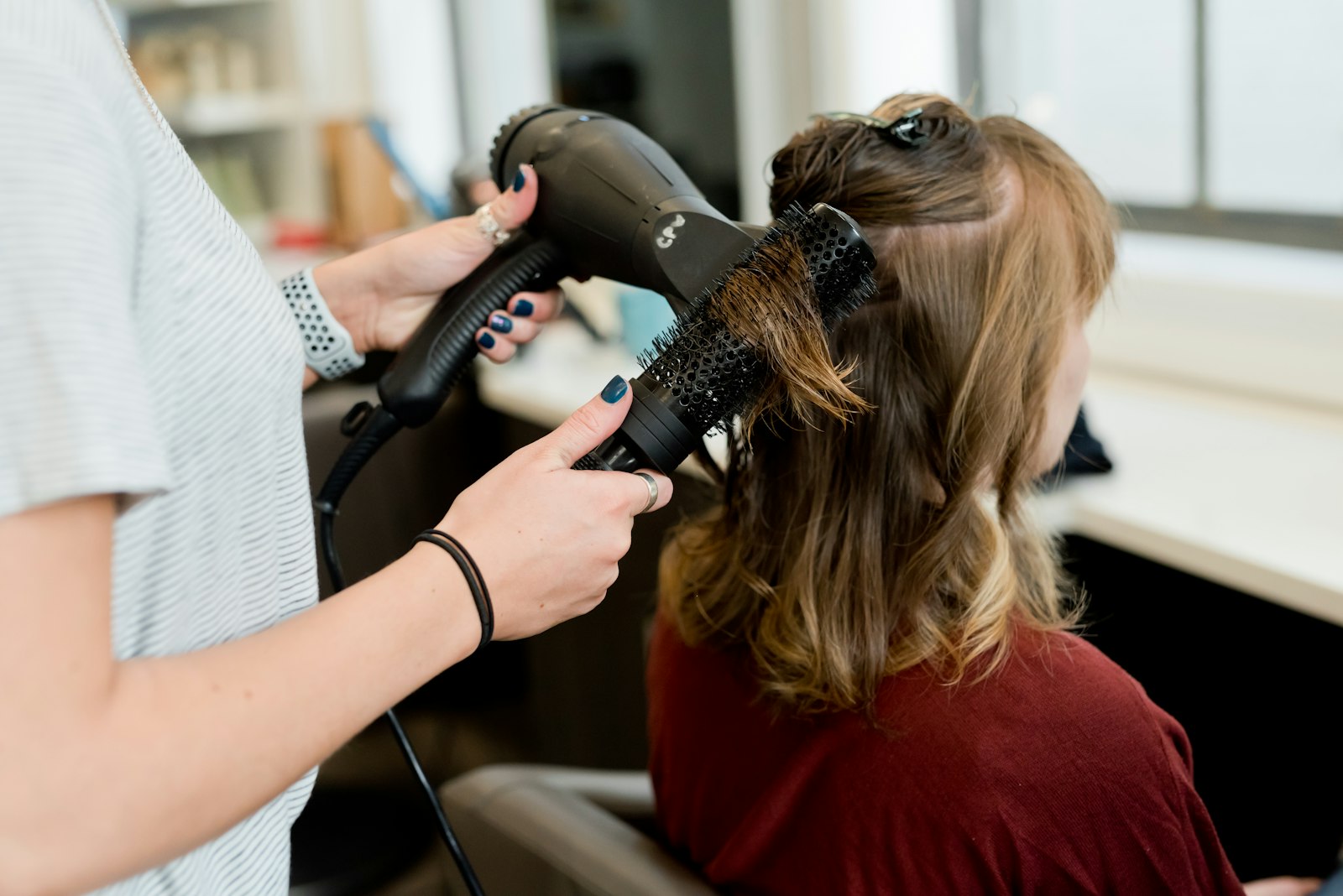
How to stop no-shows at your salon
Аутор the hey.booked team
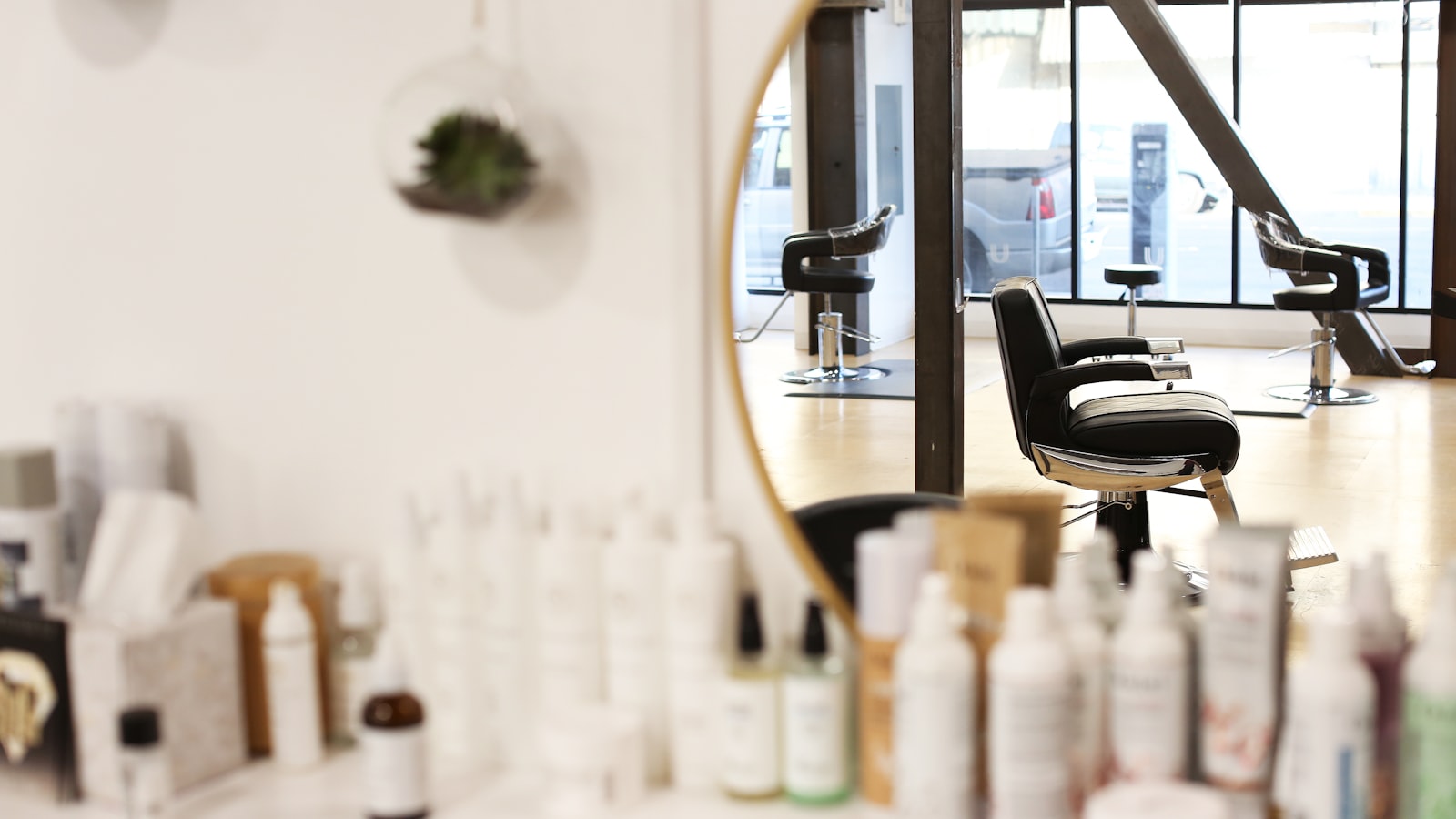
A no-show is the quietest kind of bad day. No argument, no complaint - just an empty chair where someone was supposed to be, and an hour you can never sell twice. One a week doesn't feel like much. Add it up across a month and it's a real dent in a small business that runs on a full book.
The good news: most no-shows aren't people being rude. They're people being human - they forgot, the day got away from them, or cancelling felt like more hassle than just not turning up. Fix those small frictions and the empty chairs mostly go away. Here's how to do it without turning into the business that nags.
Why no-shows actually happen
Before you change anything, it helps to know what you're actually solving for. Almost every missed appointment comes down to one of a few ordinary reasons:
- They forgot. The booking was three weeks ago and nothing reminded them it was today.
- Life happened. Something came up, and there was no quick way to move the time.
- Cancelling felt awkward. Calling to say "I can't make it" is a small social cost, so they avoid it.
- The booking never felt real. A slot picked in five seconds online can be just as easy to forget.
Notice that none of these are about bad clients. They're about friction and memory. That's good news, because friction and memory are things you can design around.
Reminders that actually get read
A reminder is the single highest-leverage thing you can add. Most no-shows are simply forgotten appointments, and a well-timed nudge turns "today? already?" into "right, see you at two." But the details matter - a reminder people ignore is just noise.
Send more than one
One reminder is good; two is better. A gentle note when the booking is made confirms it's real, and a second the day before lands while there's still time to rearrange the day around it. The day-before nudge is the one that does the heavy lifting - close enough to matter, early enough to act on.
Make the details impossible to miss
A good reminder answers the three questions a busy person actually has: when, where, and what for. Put the date, the time, and the service right at the top. Skip the marketing. The whole message should be readable on a lock screen without opening anything.
Let people reply
The point of a reminder isn't to guilt someone into showing up - it's to give them an easy way to keep the appointment or move it. Every reminder should make changing the time a one-tap job. A client who reschedules is not a no-show; they're a booking you get to keep.
When a reminder isn't enough: deposits and policies
Reminders fix forgetfulness. They don't do much for the small number of people who book with no real intention of coming. For high-demand slots, longer services, or first-time clients, a light-touch deposit changes the maths - it turns a free, frictionless booking into one with a little skin in the game.
The trick is to keep it proportionate and predictable. A deposit isn't a punishment; it's a way of holding a slot seriously. A few principles keep it friendly:
- Keep it modest. Enough to signal commitment, not enough to feel like a fine.
- Say it out loud. State the deposit and the cancellation window before they book, not after they miss.
- Honour it both ways. Apply it to the bill when they show, and give a fair window to cancel without losing it.
- Start where it matters. New clients and your busiest times first - you don't need it on every booking.
A policy your clients understand and agree to up front almost never causes friction. It's the surprise charge that turns into a bad review - so the work is mostly in saying it clearly, early.
Make rebooking the easy path
Here's the part most businesses skip. A lot of "no-shows" are really cancellations that had nowhere to go. If the only way to move an appointment is to phone during opening hours, plenty of people will just not show instead. Give them a faster exit and you turn a lost slot into a moved one.
So make rescheduling the path of least resistance: a link in every reminder, a booking page that shows what's open, and a slot they can grab in seconds. When changing the time is easier than ghosting, most people change the time.
A reminder people can act on beats a policy people resent. Make showing up easy, make moving the time easier, and the empty chairs mostly take care of themselves.
None of this requires a tougher attitude or a longer list of rules. It's a few small defaults working quietly in the background: a confirmation that makes the booking feel real, a reminder the day before, a deposit where it earns its keep, and a reschedule link that's always one tap away. Put those in place and the occasional empty chair stops being a weekly tax on your time.
Мање недолазака, већ ове недеље
Постави подсетнике које твоји клијенти заиста читају, и страницу за заказивање коју користе за неколико секунди.