Get clients to rebook before they leave the chair
By the hey.booked team
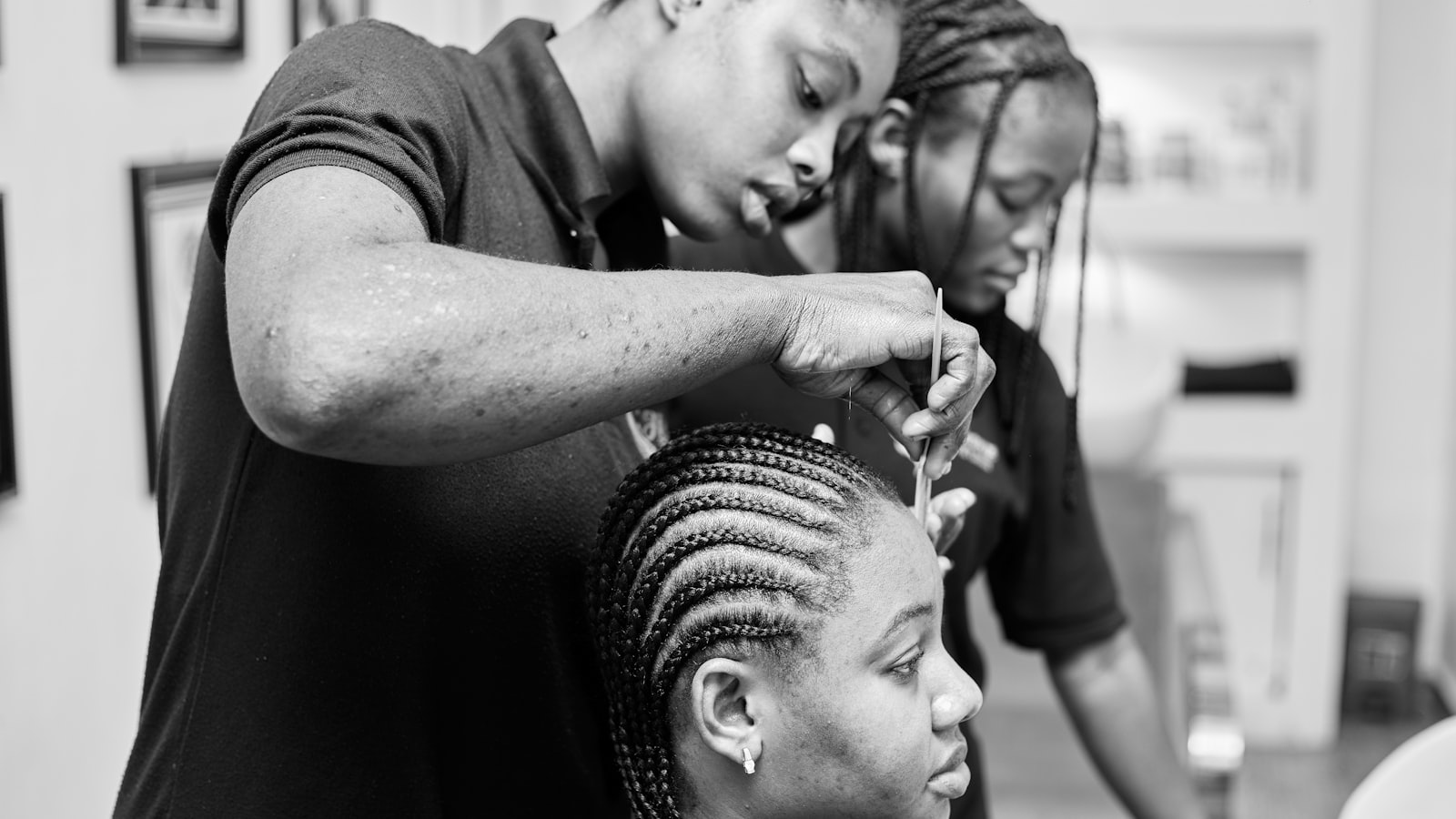
Winning a new client is expensive - ads, posts, time, the lot. Keeping one you already have is nearly free, and they get more valuable every visit. Yet most salons pour their effort into the front door and let people walk out the back with nothing on the books.
The fix is not a loyalty scheme or a clever campaign. It is a habit, built around one moment, and it takes about eight seconds per client. Here is the whole thing: the moment, the words, the timing, and what to do about everyone who slips through.
The chair is the only moment that reliably works
A client who just had a great appointment is as warm as they will ever be. They are relaxed, happy with the result, looking at themselves in the mirror, and standing right in front of you. Everything about the next appointment is easy to say yes to right now.
Once they walk out, rebooking becomes a task they have to remember and initiate - and most of life is louder than that. Two weeks later it competes with work, kids, a dentist appointment and a phone that will not stop. By week five they are looking at their roots in a bathroom mirror and searching for whoever has an opening on Saturday, which may not be you.
This is why "same time in four weeks?" at checkout is the easiest booking you will ever take, and why it is worth building the habit even on the days you feel awkward about it.
The script is a question, not a pitch
You do not have to sell it. You just have to ask, every time, like part of paying. The wording matters less than the fact that it happens automatically, but some phrasings work better than others.
What works: "want me to put you in for your next one?" and "you are due again around the 14th - shall I hold something?" Both assume the next visit exists and reduce the decision to a yes or a no.
What works less well: "do you want to book again?" - which asks them to decide whether they are the kind of client who comes back. And "let me know when you want to come in" - which hands them homework.
If you feel pushy saying it, remember what you are actually doing: for anything on a cycle, they were going to need the appointment anyway. You are saving them the job of remembering, and getting them the slot they want instead of the one that is left.
Timing: how far out to book
The ask lands better when you name a specific interval instead of asking them to choose one, because you are the one who knows how the work wears.
- Root touch-ups and colour: four to six weeks, depending on how much grey and how sharp the line.
- Cuts: four weeks for short and structured, eight to twelve for long and forgiving.
- Gel or acrylic fills: two to three weeks.
- Lash fills: two to three weeks.
- Brows, wax and threading: three to four weeks.
- Facials: four weeks for a course, six to eight for maintenance.
Say the number out loud - "you will want me around the 12th" - and the appointment stops being a preference and starts being a maintenance date. That framing is why people who would hesitate over "want to book?" say yes to "you are due on the 12th".
One caveat: do not book people further out than they can realistically plan. Three months is fine for a long-hair trim; three months for a fill is an appointment they will move twice.
When they say "I'll message you"
Plenty of people will, and that is fine. Some genuinely do not know their schedule yet. The mistake is treating that as the end of the conversation.
Two things help. First, offer a soft hold: "no problem - I'll pencil you in for the 12th and you can move it if it does not work." Most people accept, because it costs them nothing and they can change it from their phone. Second, make sure they leave with the link. "Whenever you know, everything free is on here" and a card, a text, or the link in their confirmation.
The point is that they walk out with either an appointment or a one-tap way to make one - never with an intention alone.
Make saying yes take one tap
Whether you ask in person or by message, the next step has to be tiny. A booking link, a slot already suggested, a tap to confirm. Every extra step between "yes, I should" and a confirmed time is a place people fall away - and the fall-off is bigger than it feels, because it happens silently.
This is where a real booking page earns its keep: your regulars can rebook at 11pm without asking you anything, move an appointment without a conversation, and see what is actually free rather than guessing.
The automated nudge for everyone else
Not everyone rebooks on the spot, and no habit is perfect. That is what a reminder is for - not the one before the appointment, the one after it, when they are due again.
A short note timed to the cycle does the work: "hey, it has been about six weeks - want to grab a slot?" It is not a marketing message and it should not read like one. No offer, no urgency, no emoji storm. It is a small, useful tap on the shoulder from someone whose job it is to know when your roots are due.
Set it once, tied to how often each service repeats, and it runs in the background catching the people who simply forgot. That is exactly what automatic appointment reminders are for, and it is the difference between a client who drifted and a client who came back without either of you thinking about it.
Track one number
You do not need a dashboard. You need one figure: of the clients you saw this week, how many left with the next appointment booked?
Count it for a fortnight and you will know exactly where you stand. Under a third means the ask is not happening consistently. Around half is a healthy salon. Above two thirds and your calendar starts filling itself weeks ahead, which changes what a quiet January feels like more than any campaign will.
What not to do
A few things backfire, usually by making the rebook feel like a transaction instead of a favour.
- Do not discount the next appointment to secure it. You teach people to wait for the discount, and it implies the full price was optional.
- Do not ask while they are still in the chair mid-service. Wait for checkout - the ask needs to be attached to leaving, not to the work.
- Do not chase someone who says no twice. Send the cycle reminder and let it do its job.
- Do not build a loyalty card. It is admin for you, clutter for them, and it does not answer the question that stops people rebooking, which is "when".
Rebooking is not really a growth tactic - it is the thing that makes growth worth having, because a book full of returning clients is the difference between a busy week and a business you can count on. If you also want the front-door side of it, here is what brings new clients in.
- What should I say to get a client to rebook?
- Ask at checkout, as part of paying, and make it a question with a date in it: "you are due again around the 14th - shall I hold something?" Naming the interval works better than "do you want to book again?", because it treats the next visit as maintenance rather than asking them to decide whether they are a returning client.
- How far in advance should salon clients rebook?
- Match the interval to the service: four to six weeks for colour and root touch-ups, four weeks for structured cuts and eight to twelve for long hair, two to three weeks for gel fills and lash fills, three to four weeks for brows and waxing. Do not book further out than someone can realistically plan, or the appointment just gets moved.
- What is a good rebooking rate for a salon?
- Count how many of the clients you saw this week left with their next appointment booked. Under a third usually means the ask is not happening consistently. Around half is healthy. Above two thirds and your calendar starts filling itself weeks ahead.
- What do I do when a client says they will message me later?
- Offer a soft hold - "I'll pencil you in for the 12th and you can move it if it does not work" - and make sure they leave with your booking link either way. Most people accept the hold because it costs them nothing, and the ones who do not still have a one-tap way to book when their schedule settles.
- Should I offer a discount for rebooking?
- No. Discounting the next appointment teaches clients to wait for a discount and implies the full price was optional. What actually moves rebooking is the ask happening every time, a specific date, and a booking step small enough to finish in one tap.
Let your regulars rebook themselves at 11pm: a free hey.booked page with your real availability, plus reminders that go out when each client is due again.
Get your free pageFewer no-shows, starting this week
Set up reminders your clients actually read, and a booking page they can use in seconds.